
This post may contain affiliate links, which means we may receive a commission for purchases made through links at no extra cost to you. This helps support our site and enables us to continue providing you with useful content.
UK Weather Maps Snow October Arctic Blast
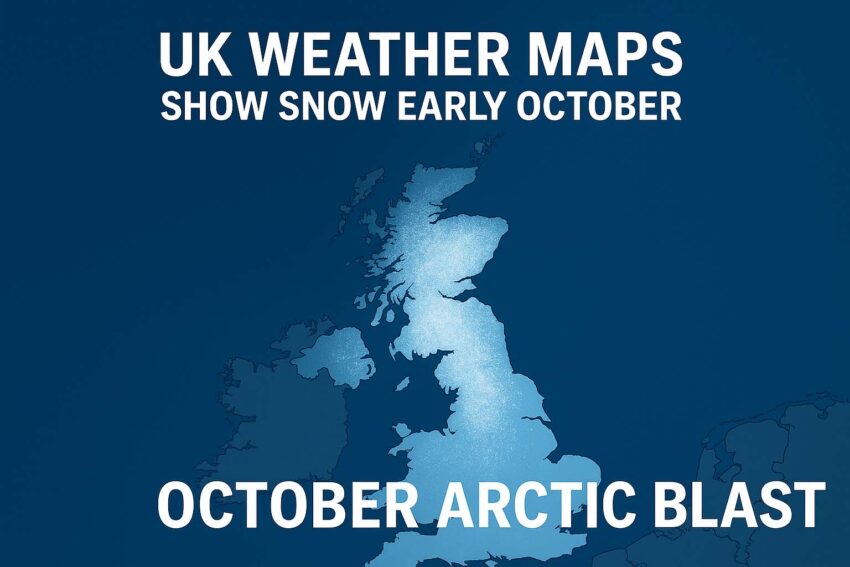
UK Weather Maps Snow October Arctic Blast is the latest headline catching everybody’s attention. Normally, October would yield some chilly mornings and colourful fall leaves, and the start of the month usually does. However, parts of the UK are currently waking up to snow showers. The Met Office announced today that an early blast from the Arctic is on the way to Britain, and parts of the UK are already seeing sharply declining temperatures, and some northern hills and rural towns are covered in snow.
With this rare, early snow, people are wondering, ‘Why is this happening? How long will it last? How can my household prepare?’ Let’s break it down.
Why UK Weather Maps Show Snow in October
The abrupt appearance of snow attributed to the UK Weather Maps Snow October Arctic Blast has been caused by bizarre changes to the jet stream. A vigorous cold front has been transported south from the Arctic and has directed frigid air straight into the UK.
Typically, October weather in the UK is governed by Atlantic systems that bring milder, wetter weather patterns. However, this year, high pressure over Greenland has directed Arctic air into the UK which brings cold and wintry conditions. This is sometimes referred to as a polar plunge and can bring snow even in early autumn.
Follow the Met Office website for further updates.
Areas Most Affected by the Arctic Blast
UK weather maps have indicated that snow flurries have occurred in Scotland, northern England, and higher elevation areas such as the Pennines. Light snow flurries can also occur in rural Wales, but at lower elevations, any accumulation will be minimal.
- Scotland: The heaviest snow is occurring in the Highlands and Cairngorms.
- Northern England: There are snow warnings for parts of Cumbria and Northumberland.
- Wales: There could be some dusting on the higher peaks of the Brecon Beacons.
For live updates, refer to BBC Weather.
How Long Will the Snow Last?
According to the UK Weather Maps Snow October Arctic Blast, it is likely to be a short lived event lasting only a few days, and severe cold will bail by the middle of the week as the stronger milder Atlantic (and milder) air pushes back into the UK.
- Duration: 3-5 days most other areas
- Peak cold: Some values may approach or fall below freezing at night in early October
- After effects: Frosty mornings and icy patches on roadways
Although the snow will not last long, the chill is expected to hang around, with colder-than-average air expected for most of the month.
Impact on Daily Life
This unexpected Arctic blast has taken commuters and households by surprise. Travel disruptions are likely on rural roads, and train services in northern England may face delays due to icy conditions.
- Schools and Workplaces: Some rural schools might close if snow levels rise.
- Transport: Drivers should check weather alerts before traveling.
- Energy Bills: The early cold snap could increase heating costs and add pressure on households already facing rising living expenses.
Check travel advice from National Rail.
How to Stay Safe During the Arctic Blast
When the UK Weather Maps show snow during October’s Arctic Blast, being prepared makes a big difference. Here are simple steps:
- Dress in layers: Wear thermal clothing, hats, and gloves.
- Check your heating system: Make sure your boiler and radiators are working.
- Stock essentials: Keep tinned food, bottled water, and medicines at home.
- Drive carefully: Use winter tires if you have them and carry an emergency kit.
- Look out for vulnerable people: Elderly neighbors may need extra help.
If you don’t have winter gear yet, October is the best time to buy it. Prices tend to go up closer to December.
Best Products to Help You Live Through It
If you are preparing for the UK Weather Maps Snow October Arctic Blast, here are some helpful products, including affiliate suggestions:
- Thermal socks and gloves for daily use.
- Portable hand warmers rechargeable.
- Electric blankets to save on heating bills.
- Snow shovels and ice scrapers for outdoor safety.
For detailed winter safety tips, visit NHS guidance on cold weather.
Living Well in This Weather
Snow in early October can disrupt plans, but it also creates opportunities. Families can enjoy brisk walks, warm drinks by the fire, and cozy indoor activities. Farmers and gardeners can take steps to protect crops from frost.
Living in tune with the Arctic blast means:
- Using energy wisely with smart thermostats.
- Keeping curtains closed at night to hold in heat.
- Staying active indoors with light exercise to improve circulation.
Looking Ahead: Will Winter Arrive Early?
Some experts believe that the snow in October could signal a tougher winter ahead. If Arctic patterns continue, Britain might experience more cold spells in November and December.
The European Centre for Medium-Range Weather Forecasts says that a weakened polar vortex could result in more frequent cold snaps this year. While it’s too early to forecast exact conditions, the October snow reminds us of nature’s unpredictability.
Recommended Kindle Reads
If you found this blog useful you might like these Kindle picks regarding weather, climate and forecasting:
- UK Weather and Climate Explained – The comprehensive guide to decoding Britain’s changeable weather.
- Extreme Weather Events – How Arctic blasts and storms modifies our world.
- The Meteorologist’s Handbook – Learn the science of snow, rain and storm forecasting.
For more insights, explore our:
- Lifestyle section
- Food And Drinks stories
- Travel in the UK guides
- Sports coverage
- Wellness section
Subscribe today to stay informed.
Conclusion
The UK Weather Maps Snow October Arctic Blast has brought an unexpected taste of winter much earlier than anticipated. While the snow might only last a few days, the cold pattern could stick around, reminding everyone to get ready for a potentially tough winter.
By staying informed, planning ahead, and looking out for one another, households across Britain can handle the early snowfall with confidence.